10 healthy gift ideas for Christmas
03/12/20214 tips to Save money & the environment
20/01/2022
Water is a vital part of our lives — especially the tap water that comes into our homes. The majority of Malaysians drink tap water at least sometimes, if not regularly. If we don’t drink it, we at least use it for bathing, laundry, and cleaning. The majoring of Malaysians also worry about their water quality which will explains why the amount of water purifiers and bottled water users in the market.
 Why are chemicals such as chlorine and chloramine added to tap water?
 Why are chemicals such as chlorine and chloramine added to tap water?
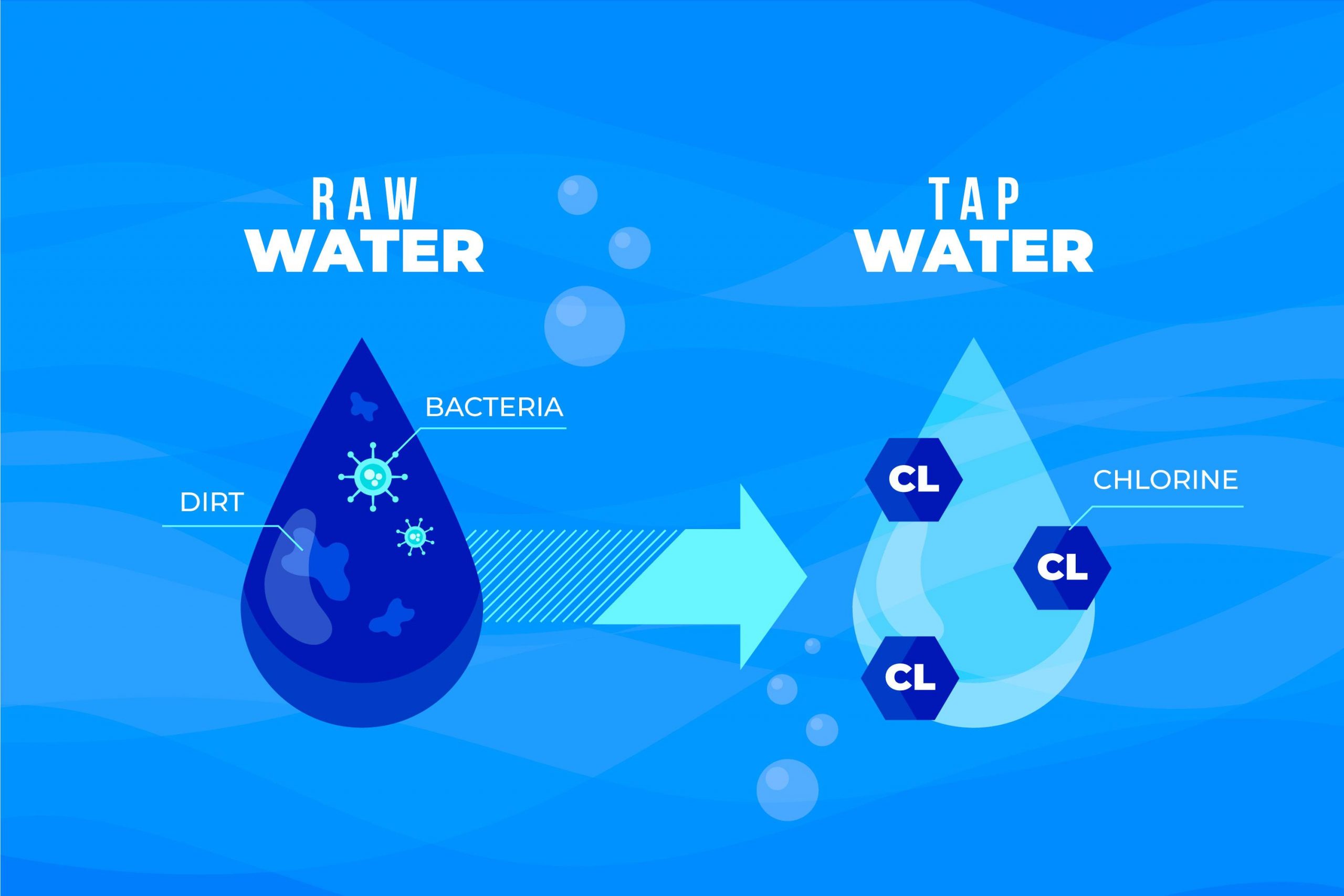
While the treated water from the water treatment plant is usually pathogen-free, there are many things that can happen to the water as it travels through the pipes to your faucet. Pipe leakage, water tanks, water that sits in the faucet for a period can cause pathogens to grow. Chlorine and chloramine are used to kill bad microorganisms or pathogens in tap water and keep it safe for drinking.
Even though chlorine is used to treat water and make it safe to drink, it’s important to understand that chlorine is still a chemical and can lead to some long-term health effects if you regularly drink water that contains too much chlorine. Since there is hardly any chlorine in drinking water, it’s not toxic to drink water that contains chlorine. The majority of municipalities choose to add chlorine to water because of how effective it is at killing bacteria and viruses. Swimming pool facilities commonly choose to add chlorine to their water for the same reason.
But there are also negative effects of chlorine which includes poor taste, odor, cancerous bi-products, and detrimental impacts on pets and sensitive plants.
There are many affordable water filters or water purifiers such as PW O series will remove 98% of the chlorine and chloramine at the point of use and makes the tap water taste better and safer to drink.
Is drinking chlorine harmful?
If you regularly drink tap water that contains a significant amount of chlorine, there are some health effects that you should be on the lookout for. The majority of these effects result from the development of trihalomethanes, which include chloroform. THMs develop when chlorine reacts with the organic particles present in water. When chlorine mixes with even minute amounts of organic compounds that are very often found in water, they produce harmful by-products – Trihalomethanes (THMs). These by-products produce free radicals in the body, which trigger cell damage. And they are highly carcinogenic, even in small amounts. Drinking water that contains chlorine will not hurt you immediately, but it may have long-term health effects.
- Asthma symptoms: One study suggests that exposure to chlorine in swimming pools is associated with increased exercise-induced asthma symptoms in swimmers, even if the swimmers have had no previous asthma symptoms, and even if the chlorine levels in the pool are below the recommended safe levels. When you bathe or shower in chlorinated water, you also absorb chlorine through your skin and breathe in chlorinated steam. If you experience respiratory problems, breathing in chlorine can aggravate the symptoms.
- Food allergies: One recent study analyzed the effects of dichlorophenols, which are used both in pesticides and in water chlorination. The study found that participants with the highest levels of dichlorophenols in their bodies were more likely to have the most food allergies. This study focused on dichlorophenols in pesticides, though — not in chlorinated water, though the effects may be similar. According to a survey published in Annals of Allergy, Asthma and Immunology, chlorophenols, byproducts of water chlorination might explain the rise in food allergies in the western world.
- Congenital abnormalities: A Taiwanese study of nearly 400,000 individuals found that women who were exposed to trihalomethanes in chlorinated water while pregnant were more likely to give birth to children with one of three different birth abnormalities: cleft palates, ventricular septal defects — or holes in the heart — and lack of brain development.
- Bladder and rectal cancer: A 1995 study published in Environmental Health Perspectives implicated the THM byproducts of water chlorination in bladder and rectal cancer — potentially accounting for 8,000 cases of rectal cancer and 5,000 cases of bladder cancer in the United States every year. Some subsequent studies have found a slight link between chlorine and carcinogenic effects, but other studies have found no link. More research on the subject is necessary.
- Unpleasant taste and smell: Even if chlorine levels in your drinking water are safe, the chlorine can still impart a bad taste or smell. When your water tastes or smells bad, you’ll probably be less enthusiastic about drinking it, and drinking too little water can lead to dehydration. When your water is unpleasant to drink, you and your family are also more likely to consume less healthful beverages, such as sodas or packaged juices.
- Risk of gastrointestinal cancer: A study which analyzed thousands of cancer deaths in the U.S., found that drinking chlorinated water appears to increase the risk of gastrointestinal cancer over a person’s lifetime by 50-100%.
- Risk to infants: A 2008 study based on an analysis of nearly 400,000 infants in Taiwan found that drinking water disinfected by chlorine while pregnant may increase the risk of having children with heart problems, cleft palate, or major brain defects.
What chlorine does to your gut
The problems with chlorine stem from the very reason it’s so useful – it’s ability to kill bacteria. When chlorine is introduced into water, it kills pathogenic bacteria. But when it’s introduced into the human body, it destroys our beneficial gut bacteria, where an estimated 70% of our immune system operates.
Recent research increasingly points us towards the great importance of healthy and flourishing gut bacteria. Scientists have found a connection between a lack of these valuable microbes in our digestive system and the presence of a wide range of diseases — including obesity, irritable bowel syndrome, type 2 diabetes, colorectal cancer, and certain autoimmune diseases, such as diabetes and asthma, and even autism.
In addition to these diseases, poor gut health can lead to conditions such as gas, bloating, diarrhea, constipation, and abdominal pain.
Dry skin after shower?
Chlorine has long been recognized as an oxidative agent, meaning that it not only kills the germs in the water supply; it will damage any living tissue with which it comes in contact. And your skin, like the rest of your organs, is living tissue. But that’s not the only problem. Did you know that the steam from your hot showers actually contains chlorine vapors which latch onto the organic compounds in the air around you to create chloroform gas, a known lung irritant and fatigue-producer? Your body can actually absorb more chlorine from your quick morning shower than it does when you drink your recommended eight to ten glasses of water each day! So if you are fond of hot showers, the least you can do is equip your shower head with a filter to prevent those chlorine vapors from forming.
Chlorine has an extreme drying effect, not only on the hair, but on the skin. As the skin becomes drier, it also ages more quickly. So just as you can add a chlorine filter to your shower, you can also add a filtrating system to your entire home water supply. You should take whatever steps necessary to ensure that you are neither bathing in nor drinking chlorinated water.
Why do you want to remove or reduce chlorine and chloramine?
With hundreds of studies carried out, there is little evidence that the recommended levels of chlorine and chloramine have any direct negative health impact on humans. However, there are indirect issues as mentioned above, don’t you think removing chlorine and chloramine from drinking water can be a good idea?
How can I remove chlorine and chloramine from tap water?
1. Fill a carafe with water in the morning and let it sit in the open air or in the refrigerator. Drink throughout the day.
2. Boil the water and let it cool. Drink throughout the day.
3. Invest in a filter jug
4. Invest in a water purifier: an ideal solution for families or offices . There are also the many options for Point-of-use water purifiers and you can read here to choose the right purifier for your needs . Or check out our top selling home water purifier – PW O Series .
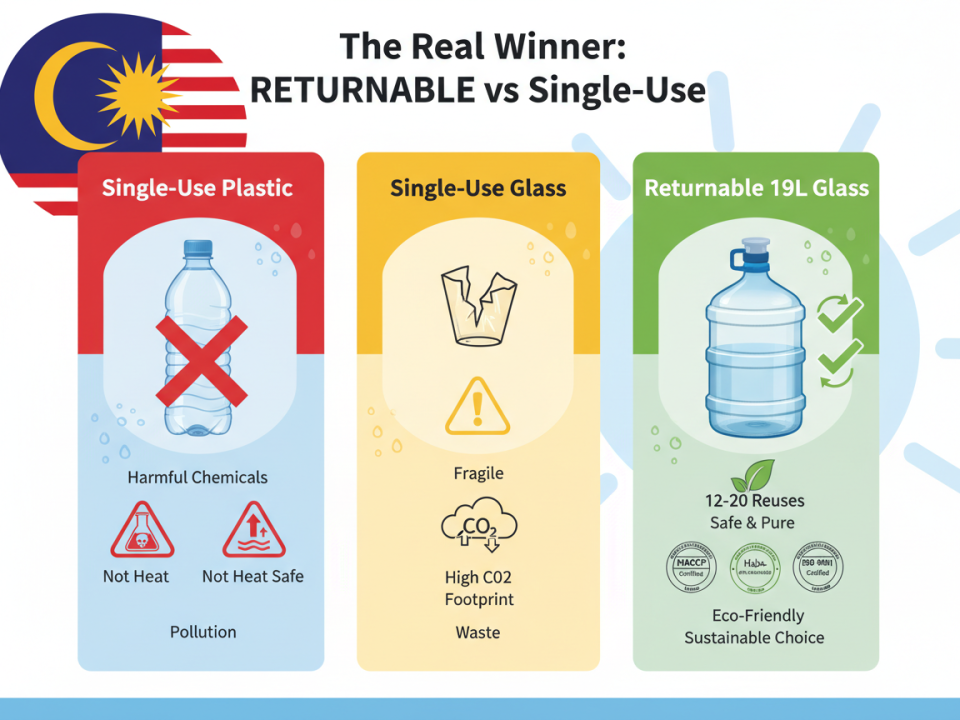
5. Order bottled water : Another popular and common option is to order 19L bottled water to your home or work places. A great solution if one do not want to worry about the maintenance of the purifiers .
We are lucky there there are many options in the market for water filters that works well in removing the chlorine in our water – the most effective is technique to ensure that one of the filters used is the activated carbon. Do note that the sand filters does not remove chlorine in your water, sediment filters only removes rust, mud and sediments from your water so they don’t look brown but clear looking.
Background & water vector created by freepik – www.freepik.com