What is “Forever Chemical” That Threatens Our Water Supply & how do we combat it
08/11/2023
💧 Choose Smart, Drink Pure: Why Switching to 19L Bottles Makes Sense
07/04/2025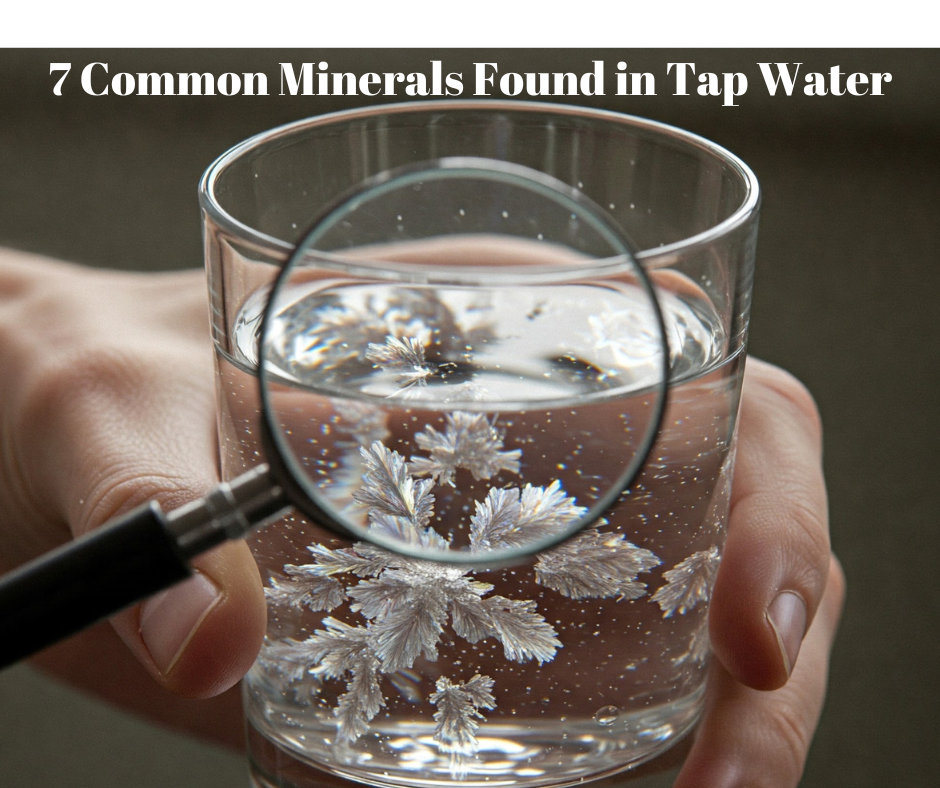
We often hear that tap water contains essential minerals, but is that really the best way to get them? Let’s dive into the common minerals found in our tap water, and explore why relying on it for your mineral intake might not be the most effective strategy.
7 Common Minerals Found in Tap Water:
- Calcium (Ca): Contributes to bone health and muscle function.
- Magnesium (Mg): Involved in hundreds of biochemical reactions in the body.
- Sodium (Na): Helps regulate fluid balance and nerve function.
- Potassium (K): Crucial for heart and muscle function.
- Chloride (Cl): Maintains fluid balance and aids digestion.
- Sulfate (SO₄²⁻): Plays a role in protein synthesis and detoxification.
- Silica (SiO₂): May contribute to bone and connective tissue health.
While these minerals sound beneficial, there’s a crucial distinction to make: they are inorganic.
The Inorganic vs. Organic Mineral Dilemma:
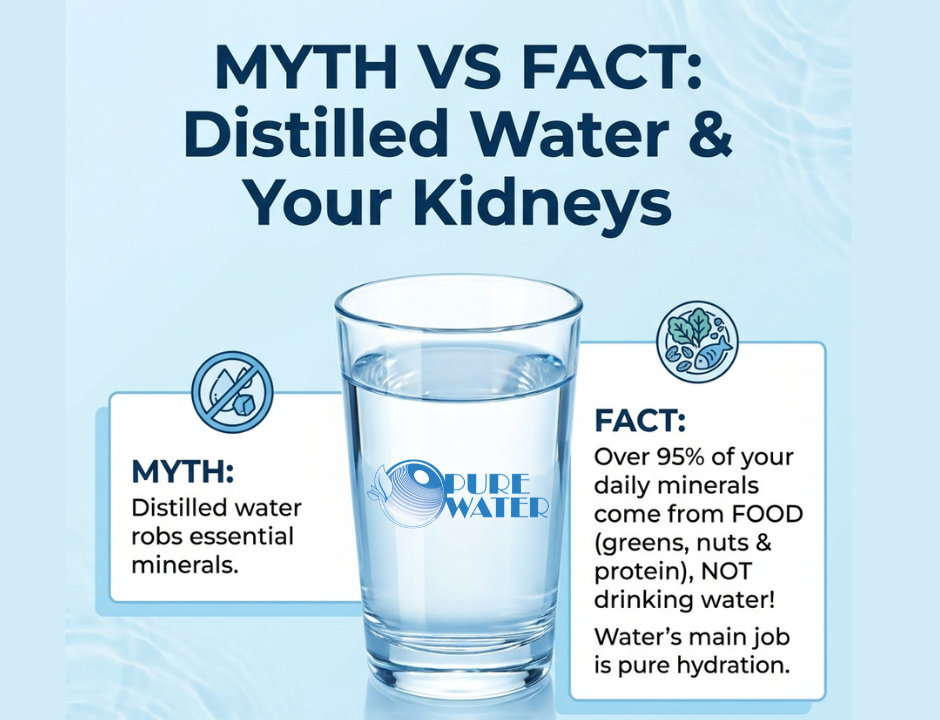
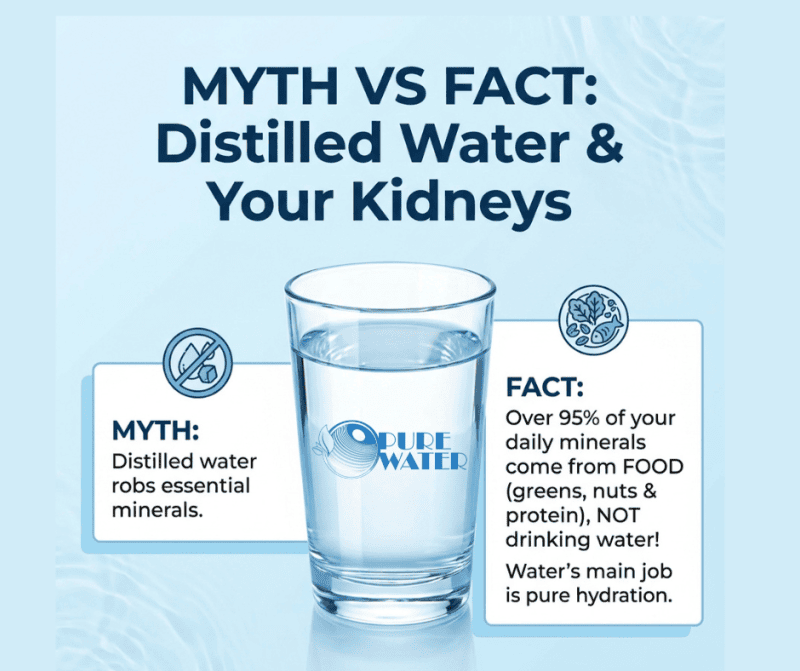
Minerals in tap water are typically in their inorganic form, meaning they are not bound to carbon. Our bodies are designed to absorb organic minerals, which are naturally present in plants and animals. Inorganic minerals are harder for our bodies to assimilate, and they may even accumulate in our tissues over time, potentially leading to health issues.
Why Food is Your Best Source:
The most effective way to obtain essential minerals is through a balanced diet rich in fruits, vegetables, whole grains, and lean proteins. These foods provide minerals in their organic, bioavailable form, making them easier for your body to absorb and utilize.
The Rising Concern of Microplastics:
Adding to the complexity of tap water quality is the increasing prevalence of microplastics. These tiny plastic particles, resulting from the breakdown of larger plastics, are now being found in tap water supplies worldwide. While the long-term health effects of microplastic consumption are still being studied, their presence raises serious concerns about water purity.
The Solution: Water Purification and Distillation:
Given the challenges of inorganic mineral absorption and the growing concern of microplastic contamination, investing in a reliable water purification or distillation system can be a wise choice.
- Water purifiers: Employ various filtration methods, such as activated carbon and reverse osmosis, to remove contaminants, including microplastics and some inorganic minerals.
- Water distillers: Boil water and condense the steam, effectively removing virtually all impurities, including minerals, microplastics, and other contaminants. Distilled water is the purest form of water. There are now many options either home distillers or in bottled form. Latest Rainmaker Delphis uses low evaporation that makes 30L/day vs conventional home distillers that makes 3L/day
Taking Control of Your Water:
While tap water may contain some minerals, it’s essential to understand that they are primarily inorganic and not as easily absorbed as those from food. Furthermore, the increasing presence of microplastics adds another layer of concern. By focusing on a healthy diet and considering a water purification or distillation system, you can take control of your water quality and ensure you’re getting the essential minerals your body needs.
Disclaimer: This blog post is for informational purposes only and should not be considered medical advice. Consult with a healthcare professional before making any changes to your diet or water consumption habits