
3 Simple Tips to Conserve Water
28/02/2022
Tips minum 8 gelas air di bulan puasa
29/03/2022
As industrial pollution and environmental factors are contaminating our water more and more, it’s crucial that we learn more about water purification technologies and choose a water purification methods that protects us from these contaminants. It is important to confirm your water has been purified or treated before drinking.
The market offers several types of water purification systems (or water filters) that utilize varying water purification technologies for cleaner, safer and better water.. But, do you know which one is the best type of water filtration system at home? You’ll know right after this guide.
There are 4 most common water purification methods that you can use to make your water safe for drinking
1.Boiling
Boiling water is the cheapest and safest method of water purification. Water sources and or channels of distribution may render your water unsafe. For example, parasites and germs are things you may not see by bare eyes, but their effects can be life threatening. Typically, boiling water helps remove micro-organisms that can’t withstand high temperatures. It doesn’t, however, remove dissolved solids or any other chemicals and impurities. Also, to avoid recontamination, it is advised to drink boiled water within 24 hours.
Advantages of boiling: No piping or installation work. Can be done anywhere where there is heating source.
Disadvantages of boiling: Does not remove other contaminants such as lead , nitrates or chemicals that are have long term harms to human bodies.
2. Distillation
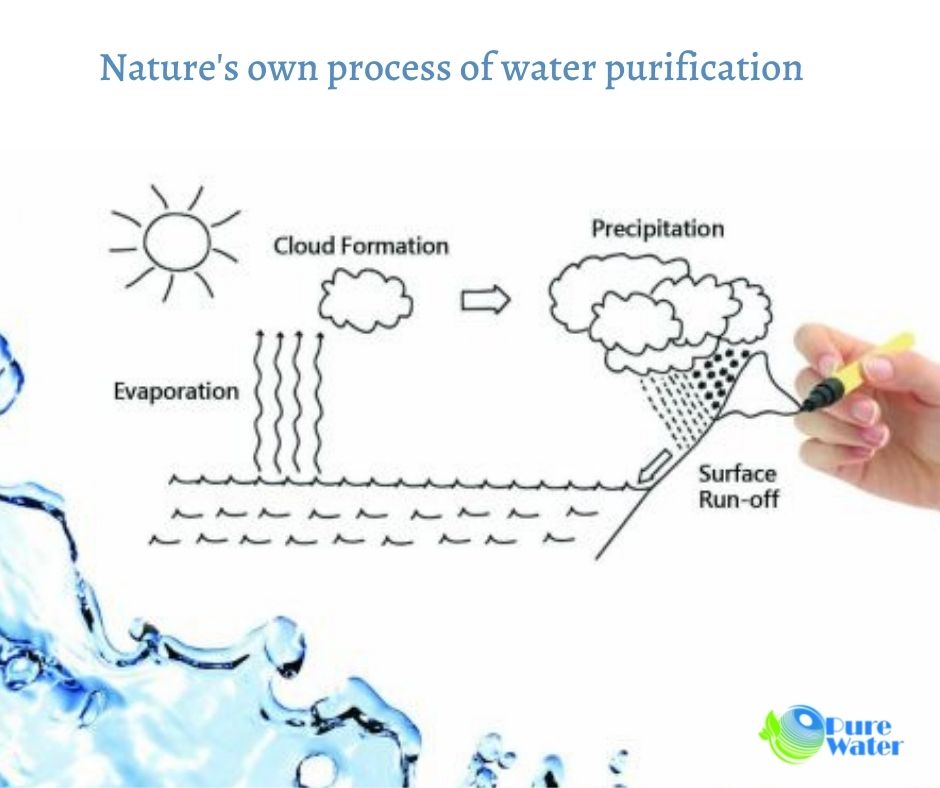
Would you be surprised to learn that distillation process actually mirrors the nature’s own water purification cycle?
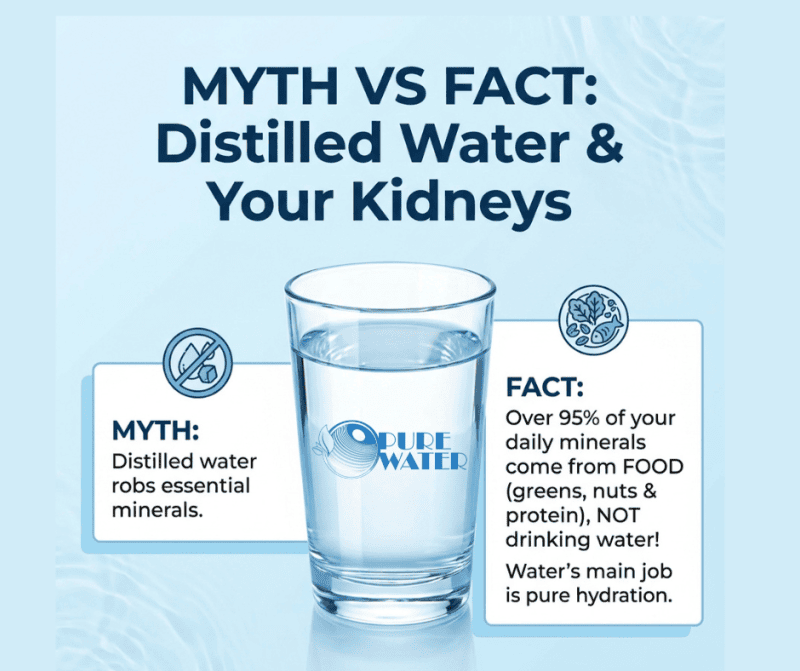
Distillation is a water purification process that has been using since long time ago. It may not as popular and widely used as the activated carbon filter and reverse osmosis filter, but it does its job well in purifying the water. It is the most effective purification method that removes every contaminants in water including radiation.
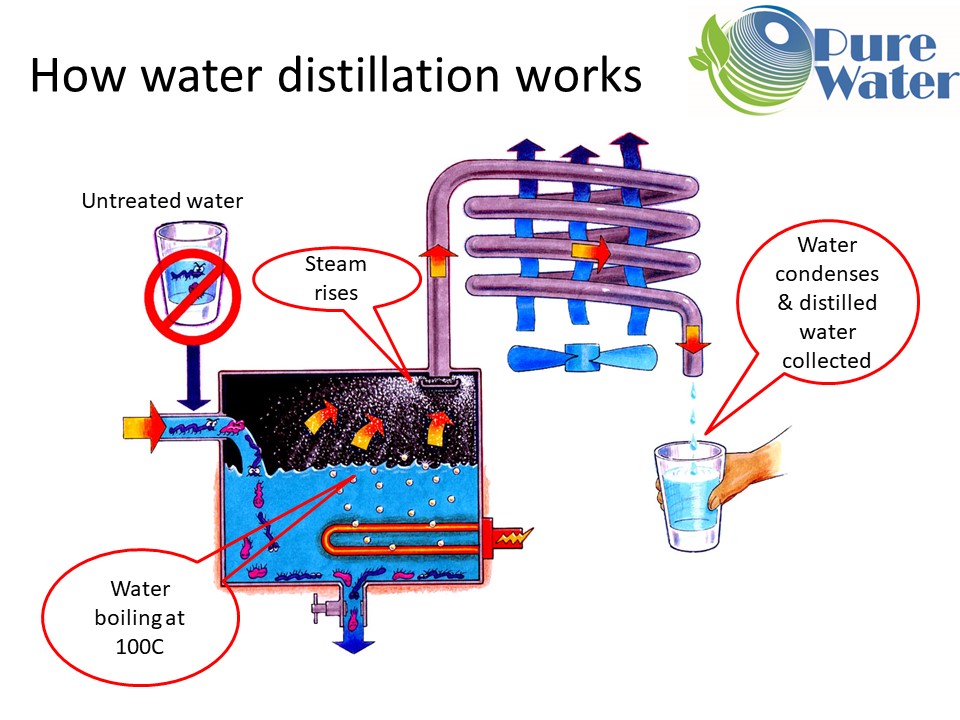
Advantages of Distillation : Strong water purification. Remove 99.99% of contaminants in water. no filter cartridge replacement needed
The Disadvantages of Distillation: Time consuming & low output. But this is easily rectified by just ordering Pure Water Distilled 19L bottled water –> order here
3. Filtration
 Filtration is one of the effective ways of purifying water and when using the right multimedia filters it’s effective in ridding water of the compounds. This method uses chemical and physical processes to purify water and make it safe for human consumption. Filtration eliminates both large compounds and small, dangerous contaminants that cause diseases with a simple and quick filtration process.. Since filtration does not deplete all the mineral salts, water that has been filtered is considered healthier compared to water purified using other methods. It’s one of the effective water purification methods that utilize chemical absorption process that effectively removes unwanted compounds from water.
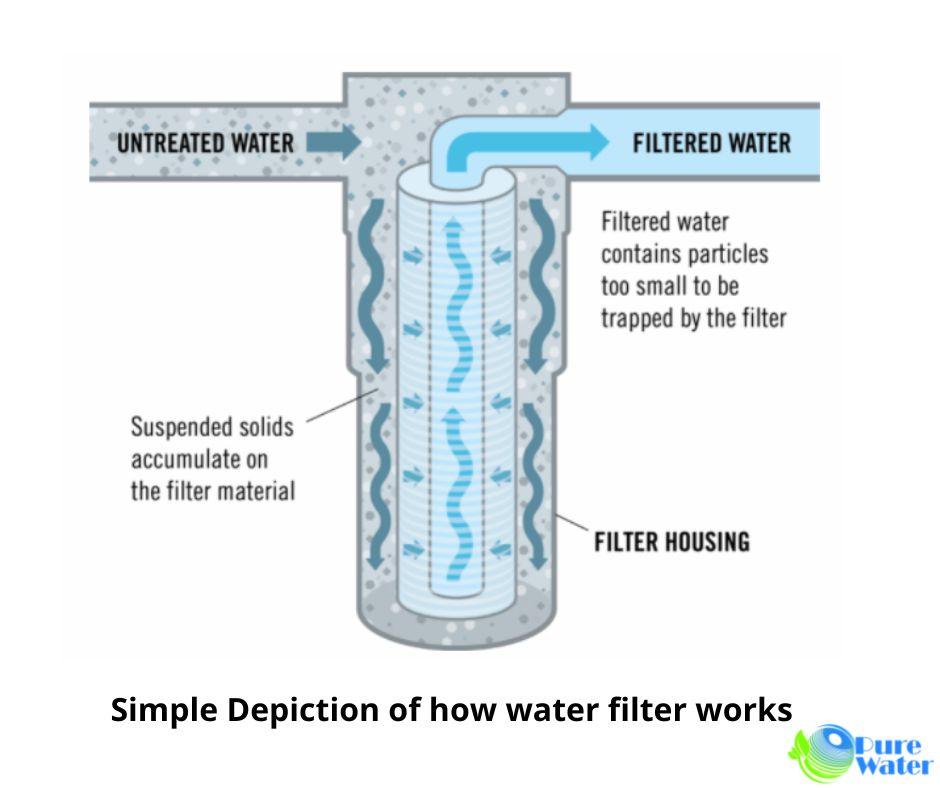 Filtration is one of the effective ways of purifying water and when using the right multimedia filters it’s effective in ridding water of the compounds. This method uses chemical and physical processes to purify water and make it safe for human consumption. Filtration eliminates both large compounds and small, dangerous contaminants that cause diseases with a simple and quick filtration process.. Since filtration does not deplete all the mineral salts, water that has been filtered is considered healthier compared to water purified using other methods. It’s one of the effective water purification methods that utilize chemical absorption process that effectively removes unwanted compounds from water.
Compared to reverse osmosis, filtration is considered effective when it comes to selective elimination of much smaller molecular compounds such as chlorine and pesticides. The other factor that makes filtration less costly is that it does not require a lot of energy needed in distillation and reverse osmosis. It is an economic method of water purification because little water is lost during purification.
Water purification specialists will often combine a number of different filtering methods that will also remove viruses from the water as well as a large number of chemicals, heavy metals and pesticides so that the drinking water is not only safe to drink but also remove non bacteria contaminants.
Advantages of water filters: Usually light, portable, quick and cost effective (depending on type). Water is safe enough for drinking
Disadvantages of water filters: Filters will eventually need to be replaced. Flow rate may be slow (depending on type).
4. Reverse Osmosis (RO)
This type of water purification uses high pressure to force water through a special reverse osmosis membrane. The membrane will remove all impurities from the water down to microscopic levels. The reverse osmosis process forces water under pressure through a synthetic semi-permeable membrane. In theory, the membrane prevents contaminants from passing, while allowing treated water to pass through. Large contaminants, like heavy salts, get trapped in the source water. There are different types of RO membranes, but they all function based on these general principles.
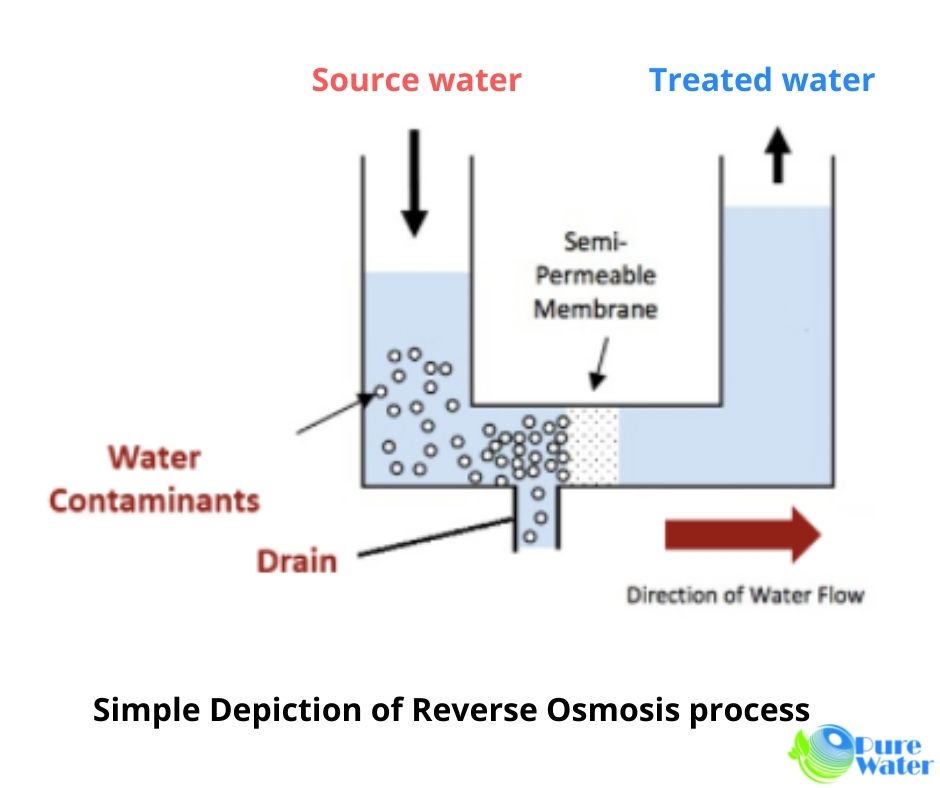 This type of water purification uses high pressure to force water through a special reverse osmosis membrane. The membrane will remove all impurities from the water down to microscopic levels. The reverse osmosis process forces water under pressure through a synthetic semi-permeable membrane. In theory, the membrane prevents contaminants from passing, while allowing treated water to pass through. Large contaminants, like heavy salts, get trapped in the source water. There are different types of RO membranes, but they all function based on these general principles.
Advantages of Reverse Osmosis : Offer the strongest filtration against majority of contaminants found in water. Produce cleanest drinking water and long lifespan compared to filters
The Disadvantages of Reverse Osmosis: Does not remove some organic chemicals, solvents and volatile organic compounds (VOCs). Perhaps the most biggest disadvantage is that it produces a large amount of waste water during the filtration process ( appx every 1 litre produced , it discharge the same amount of water , so for every 1 litre of clean drinking water, one needs 2 litre of source water). Slow filtration rate compared to filters
What is the best water purification method then?
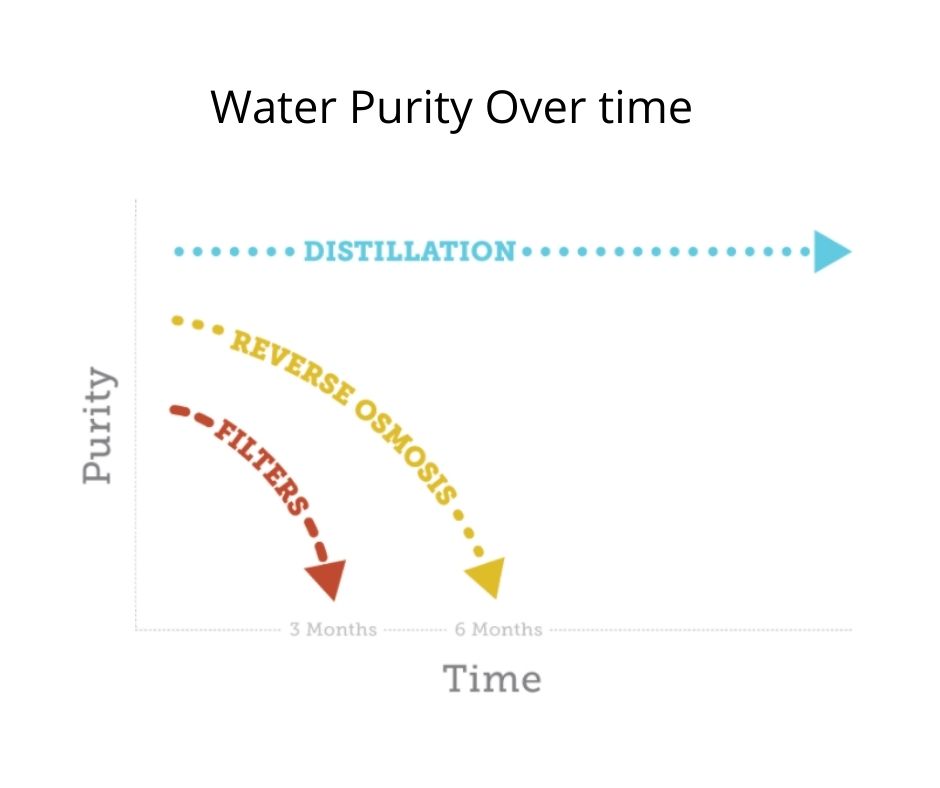
Here is a simple chart to show the water purity over time with the different methods. Distillation method is the only one that will maintain its high purity irregardless of its time of use which also means minimal maintenance vs other methods such as filter or RO.


29/09/2025